Top 10 Balcony Plant Tips: Do Flower Arrangements
Introduction
A balcony can be so much more than just a transitional space outside your apartment. With the right plant strategies, even a small balcony can feel like a lush retreat bursting with life, color, and fragrance. Flower arrangements add vibrancy, structure, and charm, making your balcony a welcoming spot for relaxation or socializing. This guide shares ten practical tips for arranging plants effectively, maximizing space, and creating stunning visual appeal. From vertical setups to creative containers, these ideas will help transform your balcony into a Pinterest-worthy floral oasis while keeping maintenance practical for everyday city living.
1. Vertical Plant Shelves
Bullet Points:
- Use wall-mounted or tiered shelves to save floor space
- Mix flowering plants with leafy greenery for contrast
- Include small decorative pots for style
- Choose lightweight materials for safety and flexibility
Paragraph 1:
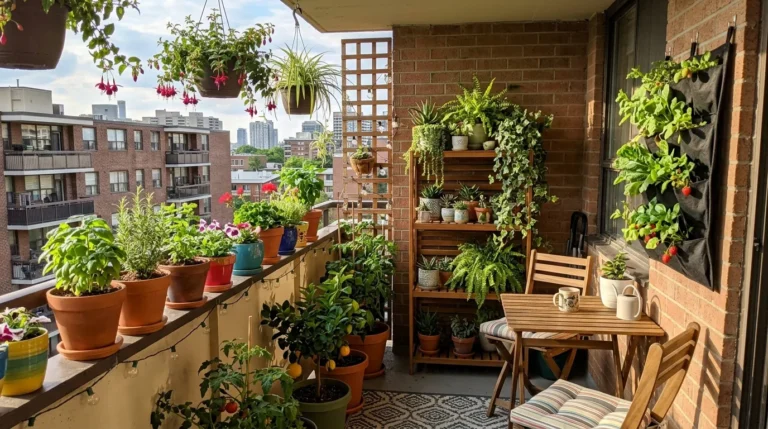
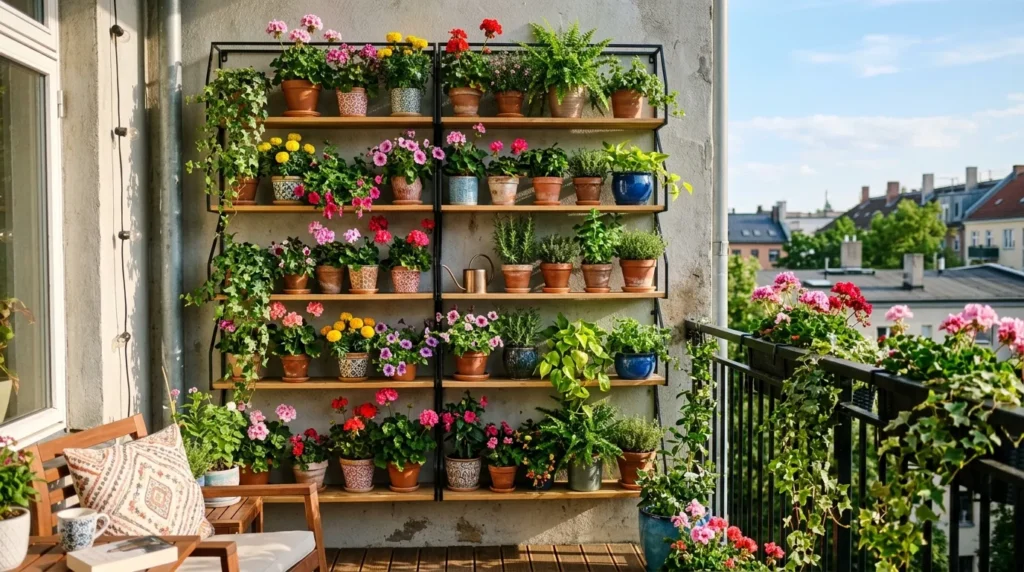
Vertical plant shelves turn an ordinary balcony wall into a lush, layered garden. Using tiered or wall-mounted shelves allows you to stack multiple plants, making efficient use of limited space. I’ve noticed that combining flowers with green foliage creates a dynamic contrast that catches the eye. Lightweight materials, such as metal or treated wood, make the shelves easier to install and move when needed. This setup works particularly well in narrow balconies where floor space is limited, offering a visually organized, functional, and charming way to display multiple plant varieties effectively.
Paragraph 2:
The transformation is dramatic: the balcony wall becomes a vertical garden teeming with color, texture, and life. Arranging plants at varying heights creates visual depth, making the space appear larger. Small decorative accents or lanterns on the shelves enhance charm while maintaining functionality. Even in compact apartments, vertical shelves allow residents to enjoy a wide variety of plants without cluttering the floor. This setup encourages daily interaction with greenery and highlights the balcony’s potential as a visually appealing outdoor extension of your home.
2. Hanging Flower Baskets
Bullet Points:
- Suspend compact or trailing flowering plants
- Rotate baskets to ensure adequate sunlight
- Use moisture-retaining liners for easier watering
- Layer baskets at different heights for visual depth
Paragraph 1:
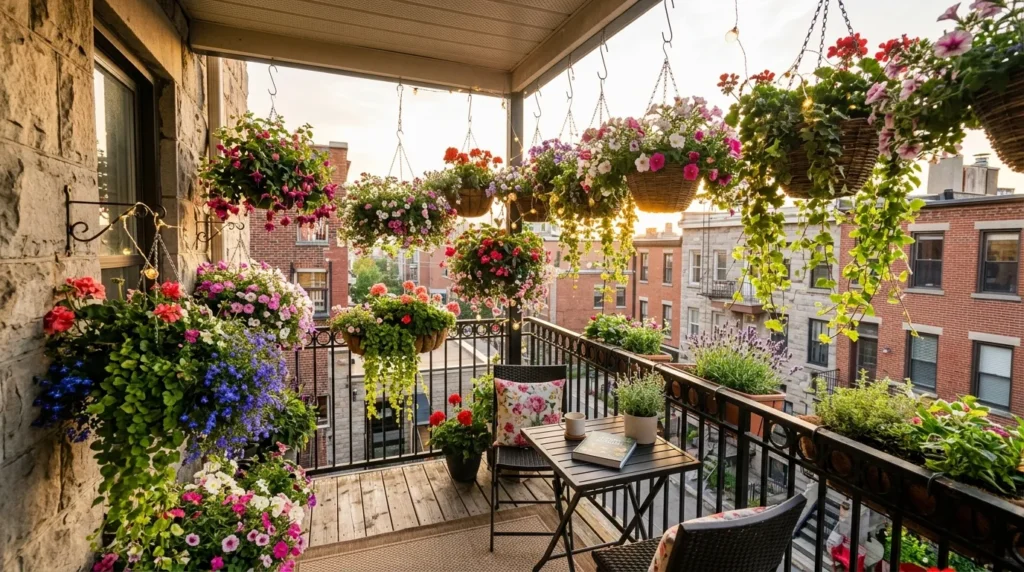
Hanging flower baskets are an elegant way to maximize balcony space while adding layers of color. Trailing flowers and compact blooms create visual movement and charm without occupying floor space. I’ve noticed that rotating baskets regularly ensures even sunlight exposure, promoting healthy growth and vibrant blossoms. Moisture-retaining liners reduce the frequency of watering, making care manageable for busy urban residents. Hanging multiple baskets at staggered heights adds depth and dimension, transforming a simple balcony into a lively floral display that feels expansive and dynamic.
Paragraph 2:
The balcony is instantly more inviting and colorful with hanging baskets. Flowers at varying levels draw the eye upward, adding vertical interest while maintaining practical floor space. Combined with other plant containers, baskets can help create a layered, lush environment. Even narrow balconies benefit from this setup, gaining a cheerful, vibrant aesthetic. Decorative lighting, such as solar-powered lanterns or string lights, can further enhance ambiance during evening hours. Hanging baskets are a simple yet highly effective strategy for turning any balcony into a Pinterest-ready floral paradise.
3. Rail-Mounted Flower Boxes
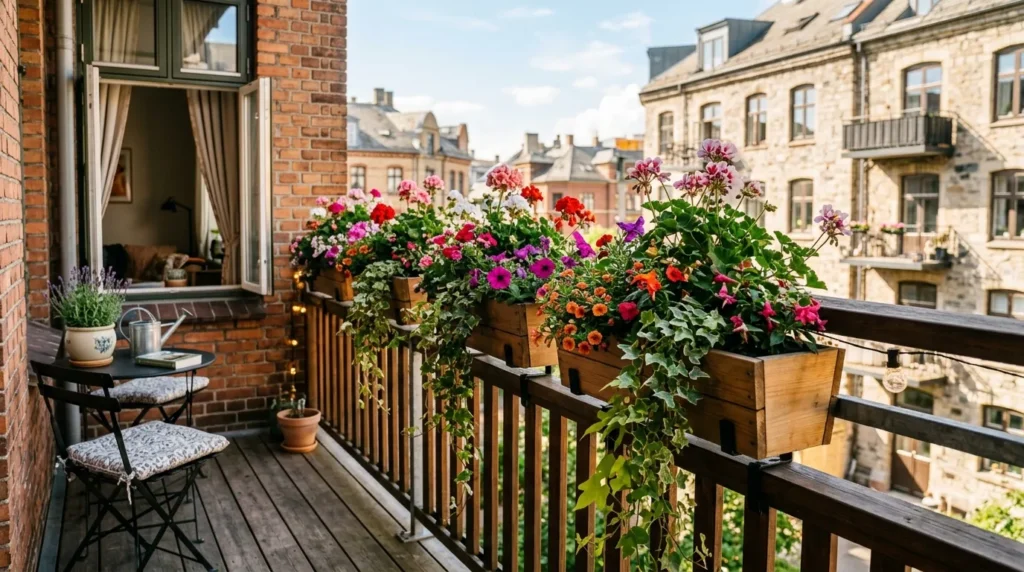
Bullet Points:
- Attach boxes to balcony railing to free floor space
- Mix flowers with trailing greenery for depth
- Use waterproof liners to protect railing and floor
- Rotate flowers seasonally to refresh the look
Paragraph 1:
Rail-mounted flower boxes efficiently utilize railing space while creating an eye-catching display. Combining trailing plants with upright flowers produces a dynamic visual composition. I’ve noticed that waterproof liners prevent water damage to the balcony, making maintenance simple and safe. Seasonal rotation of flowers adds variety and ensures the balcony stays vibrant year-round. This setup is perfect for small apartments where floor planters might crowd the limited area, offering a vertical solution that balances practicality with visual appeal.
Paragraph 2:
The balcony transformation is immediate: a simple railing becomes a colorful, flowing garden. Flowers cascading from boxes soften edges and create a natural, layered effect. Maintaining and watering plants is straightforward since the boxes are easily accessible. Adding small decorative stakes or solar lanterns enhances style and functionality. Rail-mounted boxes prove that even tight balcony spaces can accommodate abundant greenery, producing a rich and inviting outdoor environment that feels both productive and Pinterest-worthy.
4. Tiered Corner Stands
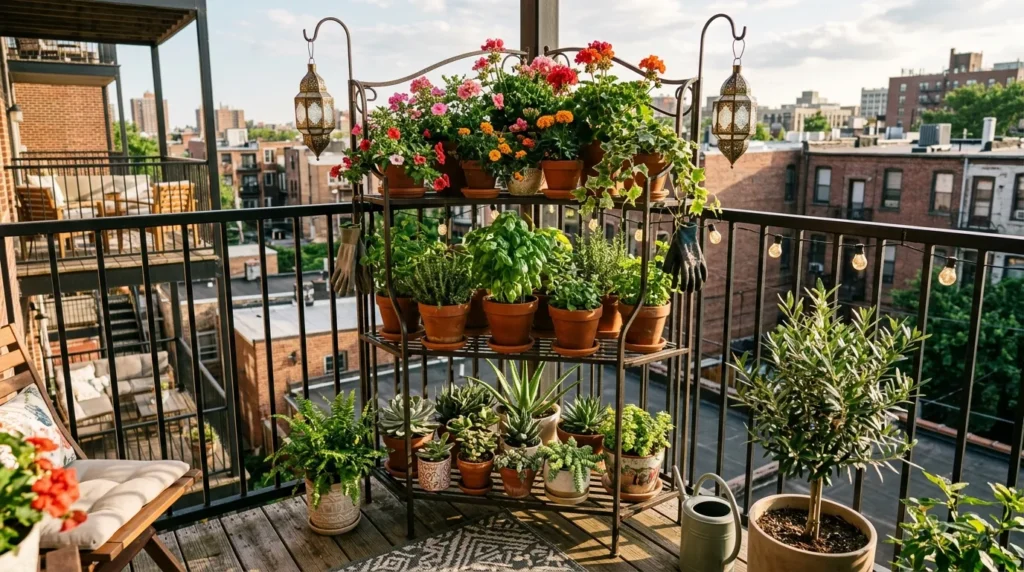
Bullet Points:
- Place tiered plant stands in balcony corners
- Mix colorful flowers, herbs, and small shrubs
- Lightweight stands allow flexibility
- Position near sunlight sources for optimal growth
Paragraph 1:
Tiered corner stands make the most of neglected balcony corners, converting them into lively plant displays. Using multiple levels lets you stack plants efficiently, providing room for various species in a small area. I’ve noticed that combining colorful flowers with herbs or small shrubs produces both aesthetic and functional benefits. Lightweight stands are easy to move, accommodating seasonal rearrangements or cleaning. Corners often go unused, so this method maximizes vertical and horizontal space while creating an attractive visual focal point on the balcony.
Paragraph 2:
The balcony gains a layered, textured garden effect without compromising floor space. Vertical height adds interest, drawing attention upward and creating a sense of depth. Small decorative accessories on the tiers enhance style while maintaining usability. Even compact balconies can feel lush, organized, and inviting using tiered corner stands. Regular maintenance ensures plants flourish while adding vibrancy, turning corners that would otherwise be wasted into functional and Pinterest-ready garden spots.
5. Compact Pot Arrangements
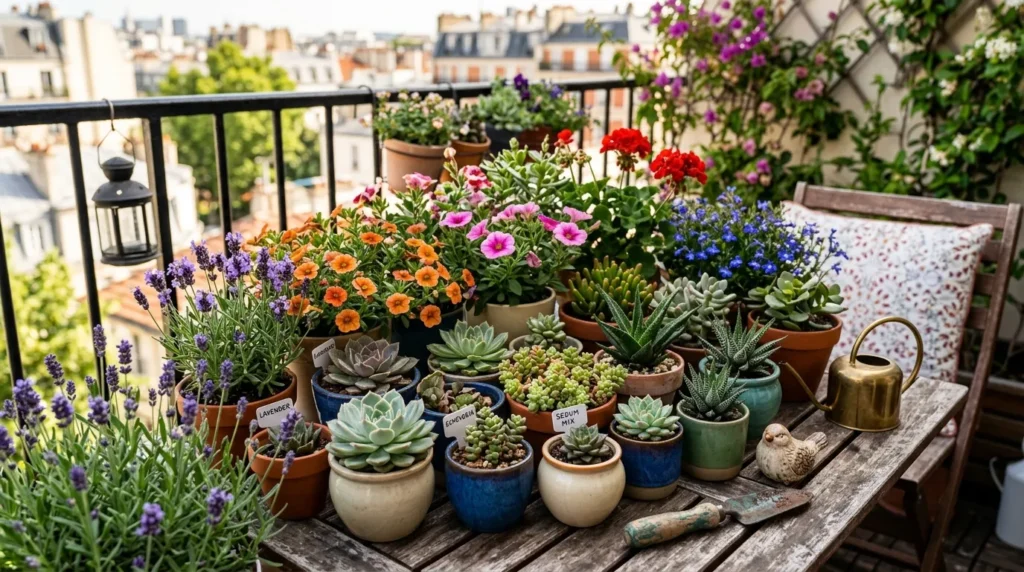
Bullet Points:
- Group multiple small pots on tables or stands
- Mix flowers, succulents, and herbs for contrast
- Use matching or complementary pot colors
- Rotate for sunlight and seasonal blooms
Paragraph 1:
Arranging small pots together creates a cohesive, vibrant display that maximizes the visual impact in a limited area. Mixing flowers, succulents, and herbs provides variety in color, texture, and height. I’ve seen this approach work well in balconies where larger planters would overwhelm the space. Coordinating pot colors and styles adds sophistication, while grouping plants strategically maintains functionality. Compact arrangements make it easy to move or adjust as needed, allowing flexibility in design and plant care while enhancing aesthetic appeal.
Paragraph 2:
The transformation is subtle yet powerful: your balcony becomes a curated mini-garden, with plants arranged thoughtfully for maximum visual appeal. Grouped pots encourage easy watering and care, while combining contrasting plant types adds depth and dimension. Adding small decorative items like figurines or lanterns complements the setup. Even small balconies benefit from compact arrangements, providing an organized, functional, and Pinterest-worthy plant display. The space feels inviting, balanced, and visually harmonious with thoughtful pot grouping.
6. Window Box Arrangements
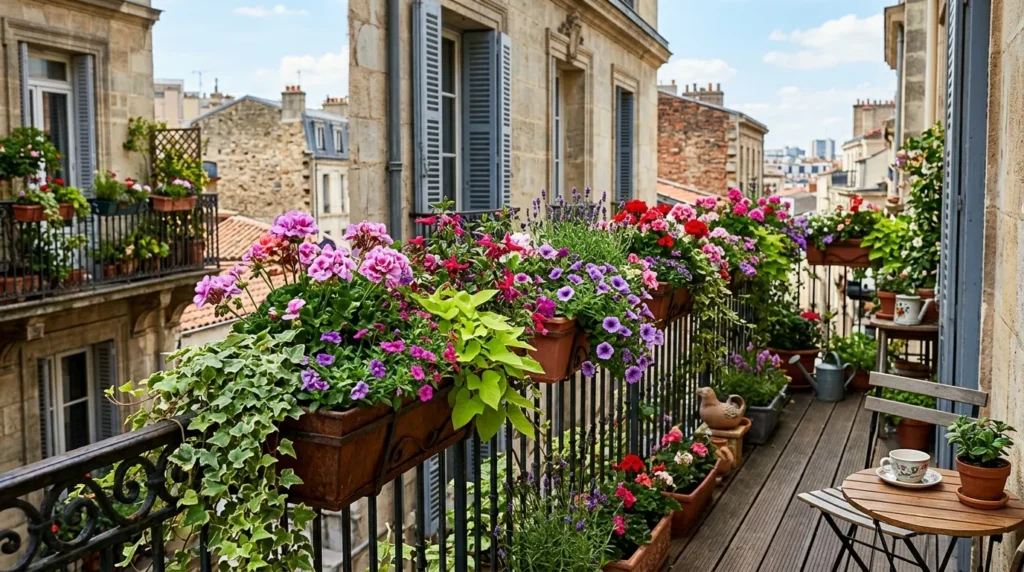
Bullet Points:
- Install window boxes along balcony edges
- Plant flowers with trailing vines for cascading effect
- Use lightweight boxes to avoid railing stress
- Choose seasonal blooms for variety and freshness
Paragraph 1:
Window box arrangements offer an easy way to maximize vertical space while adding charm to the balcony edges. Trailing flowers create a cascading effect that softens lines and adds movement. I’ve noticed that lightweight boxes reduce strain on balcony railings, making installation safer and more flexible. Rotating seasonal blooms ensures a constantly refreshed visual appeal. This setup works perfectly for apartments with narrow spaces, creating a border of vibrant flowers that enhances the balcony’s aesthetic and adds a sense of abundance without consuming floor space.
Paragraph 2:
The balcony visually expands as cascading flowers create depth and movement. Window boxes make maintenance convenient while adding a structured layout to the plant display. Combining different flower colors and textures produces a dynamic effect. Even compact spaces can host a rich, layered garden through careful selection and placement of window boxes. The result is a charming, functional, and Pinterest-ready floral display that enhances both balcony appeal and usability, making the outdoor area more inviting.
7. Hanging Terrariums
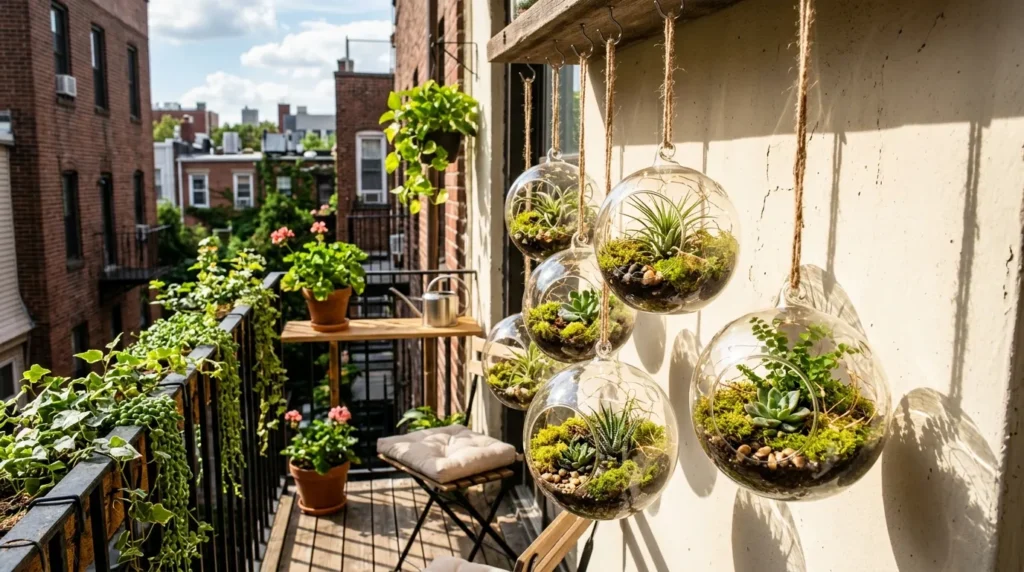
Bullet Points:
- Use glass orbs for air plants or moss
- Suspend from balcony ceiling or rail
- Add fairy lights for ambiance
- Rotate for sunlight exposure
Paragraph 1:
Hanging terrariums introduce a whimsical and visually light element to balcony gardens. Glass orbs with moss, air plants, or small succulents save floor space and add vertical interest. I’ve noticed that rotating terrariums ensures consistent sunlight, helping plants thrive. Adding fairy lights enhances the aesthetic, especially for evening use. This setup is ideal for small balconies, creating layers of greenery that float above the main floor area, making the space feel airy, magical, and Pinterest-ready without overwhelming limited space.
Paragraph 2:
The balcony transforms into a layered, dynamic garden display. Terrariums provide low-maintenance greenery while enhancing visual texture and charm. Varying heights and plant types create depth, while soft lighting ensures usability in the evening. Even narrow spaces can feel inviting, vibrant, and expansive with hanging terrariums. This method demonstrates that small balconies can host innovative plant solutions, combining function, beauty, and creativity in a compact, visually appealing way.
8. Pallet Plant Towers
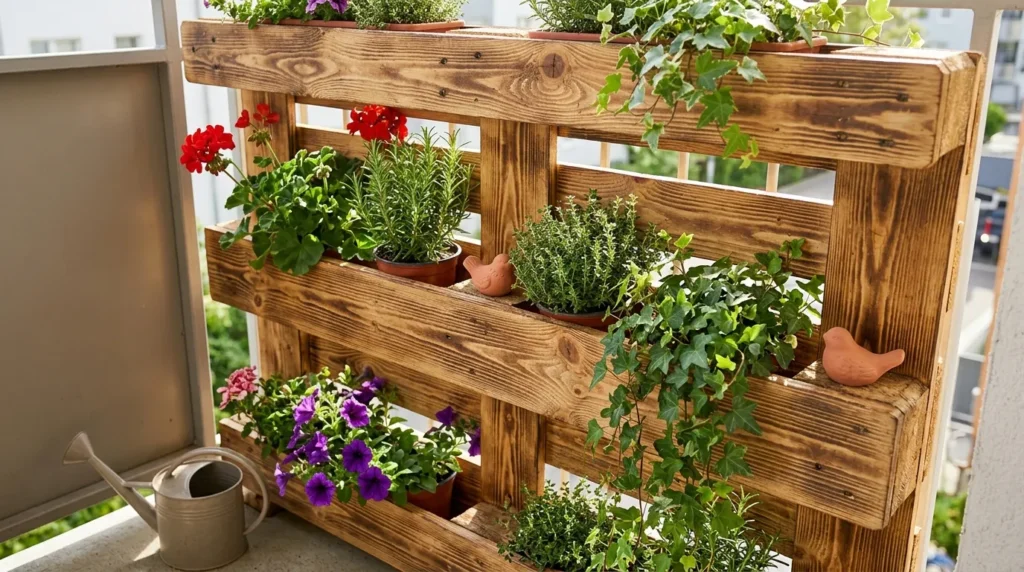
Bullet Points:
- Repurpose wooden pallets for vertical planting
- Add multiple pots for flowers, herbs, and greenery
- Treat wood for weather resistance
- Position in balcony corners for efficiency
Paragraph 1:
Pallet plant towers provide a vertical gardening solution that is both eco-friendly and space-saving. Wooden pallets can support multiple pots stacked on different levels, making it ideal for small balconies. I’ve seen this work well for mixing flowering plants with herbs, creating visual interest and functional variety. Treating the pallet ensures longevity, while corner placement maximizes space efficiency. This approach turns otherwise unused corners into productive, visually engaging plant areas, blending sustainability, style, and functionality.
Paragraph 2:
The balcony gains height and structure while minimizing floor use. Plants thrive in organized layers, and decorative accents or solar lights enhance aesthetics. Rotating plants seasonally keeps the display fresh and visually appealing. Even small balconies benefit from pallet towers, creating a dynamic, layered garden that looks curated and Pinterest-ready. The design encourages interaction, plant care, and creative arrangements, proving that vertical strategies are effective for maximizing space and visual impact.
9. Rail Herb Racks
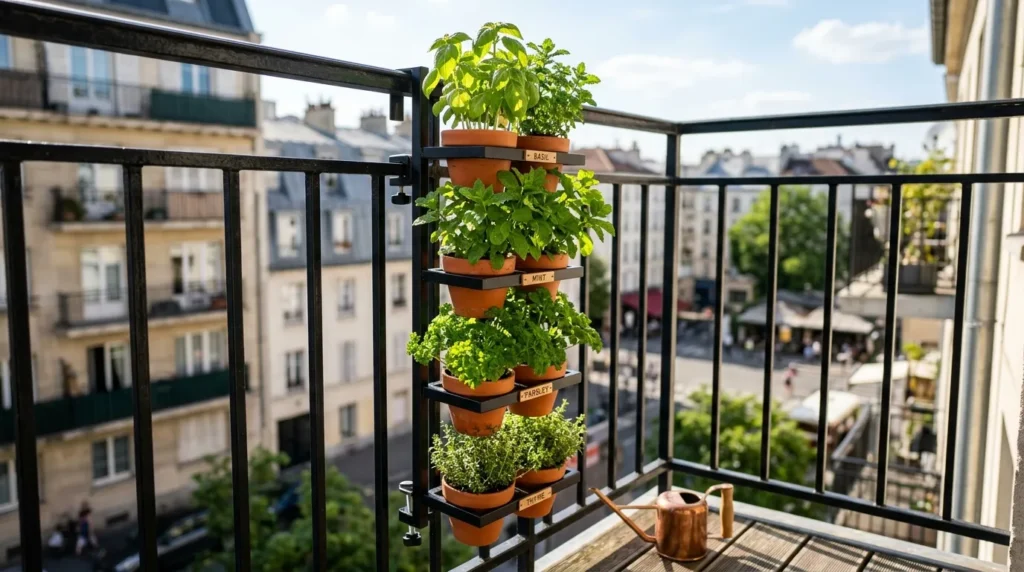
Bullet Points:
- Slim racks along balcony railing for herbs
- Include basil, parsley, mint, or thyme
- Rotate pots for sunlight exposure
- Corrosion-resistant materials for durability
Paragraph 1:
Rail herb racks are perfect for growing edible plants without occupying floor space. Slim racks can accommodate multiple small herb pots, providing easy access for cooking while adding greenery. I’ve noticed that rotating plants ensures even sunlight and healthy growth. Using corrosion-resistant materials extends durability, making the setup suitable for year-round use. This approach is ideal for narrow balconies, allowing a productive mini-garden while maintaining a tidy, organized layout that enhances the overall balcony aesthetic.
Paragraph 2:
The balcony transforms into a functional and attractive herb corner. Pots at eye level make harvesting convenient, while arranging herbs by height and texture adds visual interest. Racks can also double as subtle privacy screens. Even small balconies can host multiple varieties, making cooking more convenient and the space more vibrant. A rail herb rack integrates greenery, usability, and style efficiently, demonstrating that practical and aesthetic solutions can coexist in compact balcony gardens.
10. Corner Mini Greenhouse
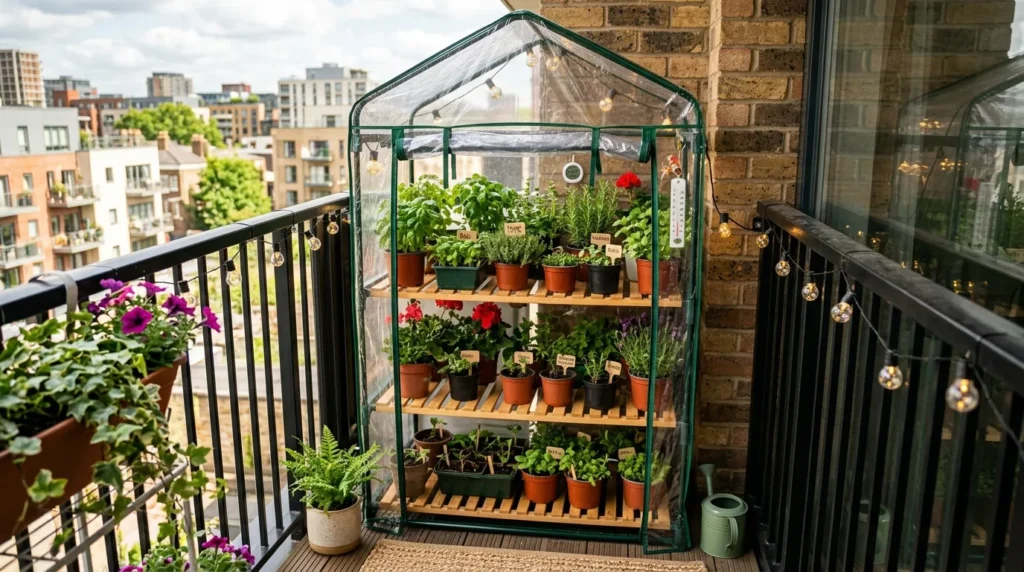
Bullet Points:
- Small greenhouse or tent in balcony corner
- Grow flowers, herbs, or seedlings year-round
- Include shelves for vertical planting
- Ensure sunlight and ventilation
Paragraph 1:
A corner mini greenhouse allows year-round growth, even in limited spaces. Compact greenhouse tents protect delicate plants while providing a controlled environment for temperature and humidity. I’ve seen this work especially well for seedlings, herbs, and sensitive flowers. Shelves inside maximize vertical space, allowing multiple plants in a small footprint. This setup converts unused balcony corners into productive, organized, and visually appealing mini-gardens, combining functionality with style for apartment dwellers seeking continuous greenery.
Paragraph 2:
The balcony becomes a functional, visually attractive, and productive space. Plants thrive in layered shelves, while the enclosure maintains optimal growing conditions. Decorative solar lights or small plant markers enhance aesthetic appeal. Even tight corners can support a vibrant garden with proper ventilation and sunlight. This approach ensures a reliable, year-round plant display, transforming a simple balcony into a lush, functional, and Pinterest-worthy floral retreat for city apartments.