Can You Add Soft-Close Dampers to Old Non-Soft-Close Cabinet Hinges?
Determining whether you can add soft-close dampers to old non-soft-close cabinet hinges is a common dilemma for homeowners looking to upgrade their kitchen functionality without replacing the entire door assembly. The short answer is yes, you have several effective ways to achieve this upgrade depending on the specific hardware currently installed in your home.
By understanding the mechanical differences between various hinge types and the retrofitting options available, you can eliminate slamming doors and improve the longevity of your cabinetry. This article explores the practical methods for achieving a quiet, controlled close, helping you decide whether to install external dampers or replace your existing hinges entirely to reach that professional, high-end feel.
Understanding Your Current Cabinet Hardware
Before you buy any new parts, you must identify what kind of hinges you are currently using. Most older cabinets feature surface-mounted hinges or standard concealed Euro-style hinges that lack built-in hydraulic mechanisms.
You can easily spot the difference by looking at the hinge cup inside the cabinet door or the mounting plate attached to the frame. If the hinge looks like a simple metal pivot without a bulky cylinder or an adjustment screw for speed, it is a standard non-soft-close model.
Knowing your hinge type is essential because it dictates which retrofitting method will actually work. If you have older exposed hinges, you might find that adding a dampening device is physically impossible because there is simply no space to mount it. Conversely, if you have modern concealed hinges, you have significantly more flexibility.
Take a moment to clear out your cabinets and use a flashlight to inspect the hinge structure. You are looking for a brand name or a model number stamped into the metal, which can help you verify compatibility with specific damper kits sold by manufacturers like Blum.
The Mechanics of Add-On Dampers
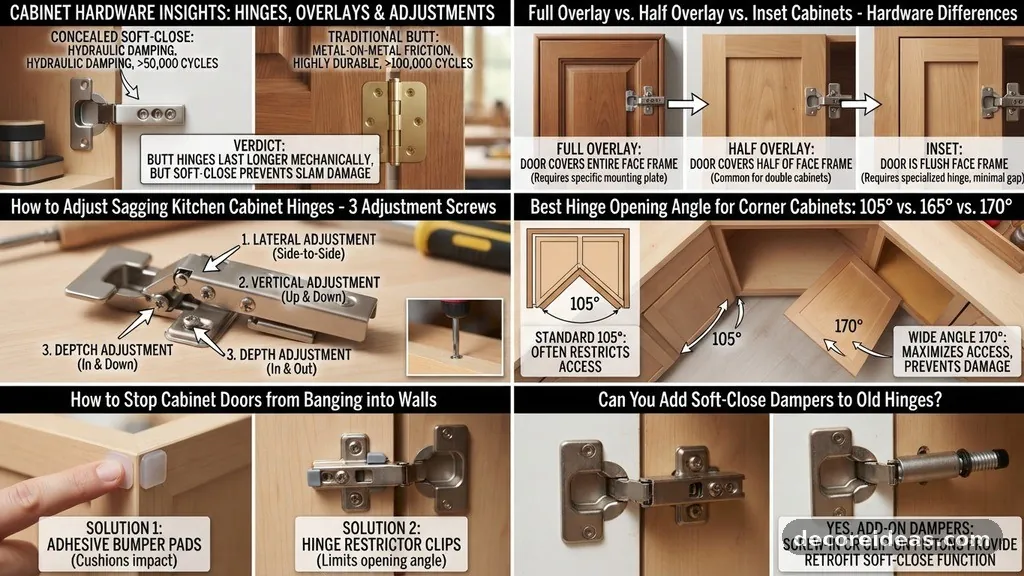
Add-on dampers are small, piston-like devices designed to slow down the cabinet door just before it makes contact with the frame. They function by compressing a small amount of fluid or air inside a cylinder, creating resistance that counteracts the force of gravity or a firm push.
Most of these devices attach to the cabinet frame or the hinge itself using a single screw. When the door swings shut, it hits the rubber tip of the damper, which then absorbs the kinetic energy of the closing motion.
These devices are generally very effective, but they do have limitations regarding how much force they can handle. If your cabinet doors are exceptionally heavy or oversized, a single small damper might not be enough to stop the door completely.
You may find that you need to install one for the top hinge and one for the bottom hinge to ensure a smooth, balanced close. It is also important to note that these external pieces are visible inside the cabinet, which some homeowners find aesthetically unappealing compared to integrated systems.
Evaluating External Hinge-Mount Dampers
One of the most popular ways to solve the problem of slamming doors is using a clip-on or screw-on damper that attaches directly to your existing hinge. These are specifically engineered to sit on the arm of a concealed European hinge.
They are relatively inexpensive and do not require you to remove the door from the cabinet, making them an excellent choice for a quick weekend project. You simply snap the damper onto the hinge arm, and it immediately begins providing resistance.
However, these clip-on solutions are not universal. They are typically designed for specific hinge brands and sizes, meaning you must match the manufacturer of your current hardware to the brand of the damper.
If you try to force a damper onto a hinge that it wasn’t designed for, the clip will likely slip off or interfere with the door’s ability to close fully. Always measure the hinge arm width and check the compatibility list on the packaging before purchasing a set for your entire kitchen.
Installing Frame-Mounted Dampers
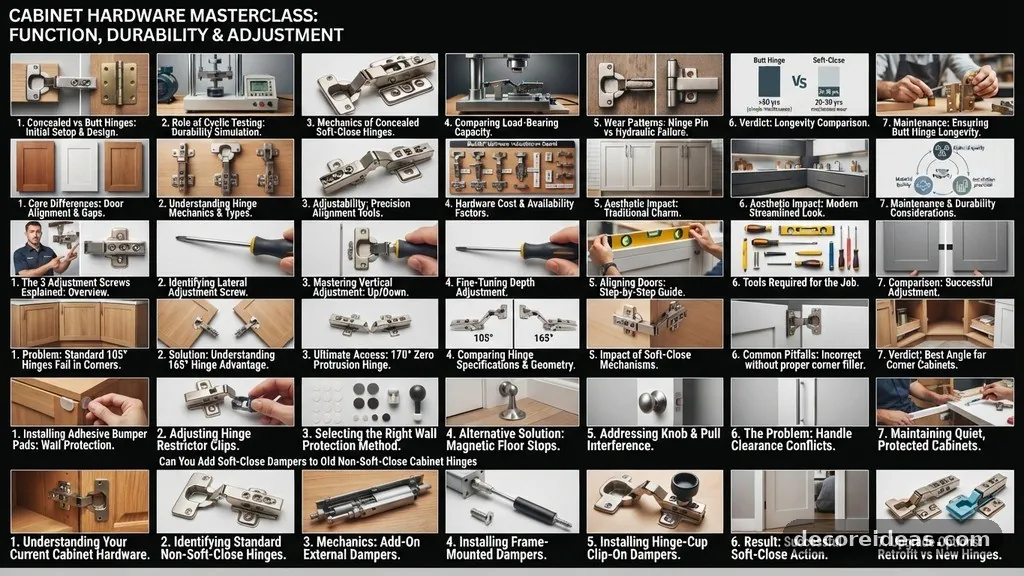
If you cannot find a compatible clip-on damper for your specific hinges, you might consider a frame-mounted buffer. These are small, plastic-housed cylinders that screw directly into the cabinet frame behind the door.
When the door shuts, it pushes against the plunger of the damper, which then retracts slowly to pull the door shut the rest of the way. This method is universal because it doesn’t rely on the hinge design at all.
Installation is straightforward, usually requiring only a drill and a screwdriver. You should place the damper on the side of the cabinet frame where the door naturally hits, typically near the top or bottom corner.
One drawback of this approach is that it requires a visible hole in your cabinet frame if you ever decide to remove it. Furthermore, because it sits on the frame, you must be careful to align it perfectly so the door doesn’t strike it at an angle, which could cause the door to bounce back rather than close.
Comparing Retrofit Strategies
Choosing between different methods depends on your budget, the age of your cabinets, and your tolerance for visible hardware. Each approach offers a different balance of ease and performance.
| Method | Ease of Install | Visibility | Compatibility |
|---|---|---|---|
| Clip-on Hinge Dampers | High | Low | Limited to specific brands |
| Frame-Mounted Dampers | Medium | Moderate | Universal |
| Hinge Replacement | Low | None (Hidden) | High (Standard sizes) |
As shown in the table, replacing the entire hinge is often the most professional route. While it takes more effort, it results in a cleaner look because the soft-close mechanism is built directly into the hinge cup. If you have the patience to remove your doors, fill old screw holes if necessary, and install new hinges, you will likely be much happier with the result in the long run.
When to Replace Hinges Instead of Adding Dampers
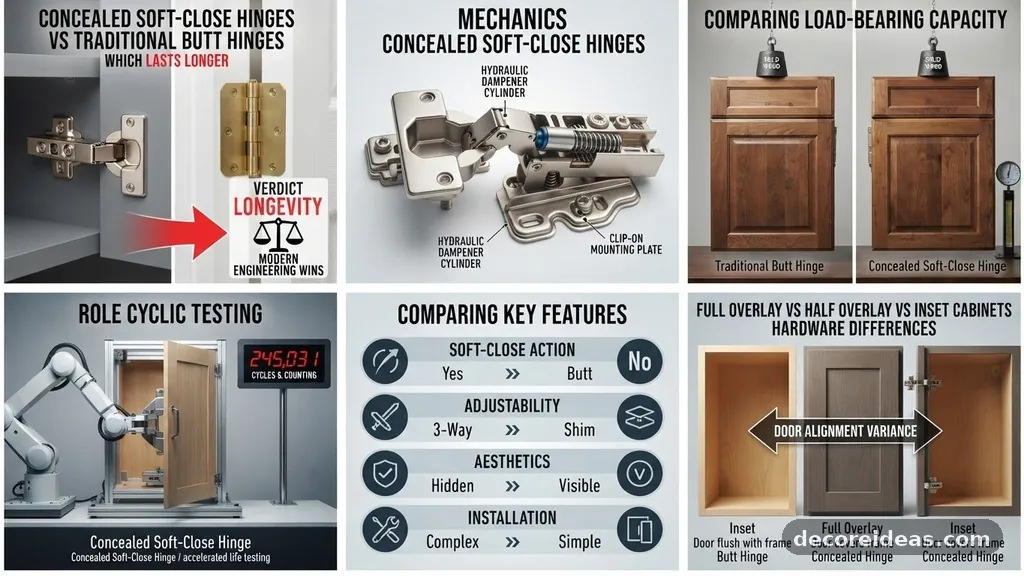
Sometimes, trying to fix old, worn-out hinges is a lost cause. If your existing hinges are loose, rusted, or already failing to keep the door aligned, adding a damper won’t solve the underlying structural issues.
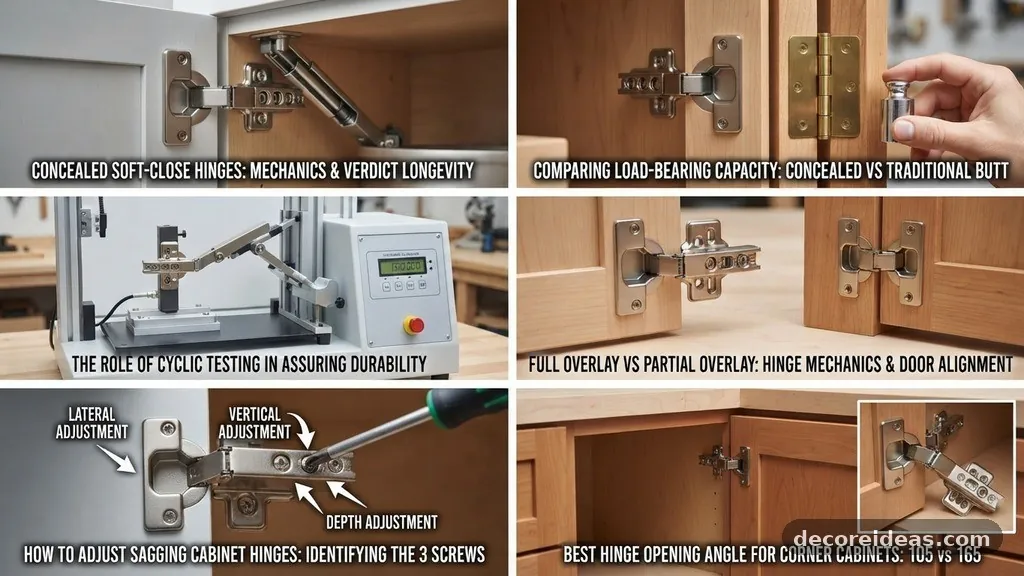
In these cases, you are better off replacing the hardware entirely. Modern soft-close hinges are designed to be adjustable in three directions, which can actually help you fix crooked doors that have been sagging for years.
The process of replacing hinges is more involved than just adding a damper, but it is well within the capabilities of most DIY enthusiasts. You will need to remove the doors, unscrew the old plates, and mount the new ones.
Because modern hinges often use the same mounting patterns as older ones, you can frequently swap them without drilling new holes. This upgrade provides a much more stable, durable, and silent operation than any external add-on could provide.
Tools and Materials You Will Need
Regardless of the method you choose, having the right tools makes the work significantly faster and more accurate. You will almost certainly need a high-quality screwdriver, preferably with various magnetic bits to hold the screws securely.
A cordless drill can be helpful, but be careful not to overtighten, as the wood in older cabinets can be brittle and prone to stripping. If you are replacing hinges, a small level or a square will help ensure your doors hang perfectly straight once reinstalled.
- Phillips head screwdriver with a magnetic tip
- Cordless drill for pilot holes (if needed)
- Measuring tape to check hinge clearance
- Painter’s tape to mark positions
- Wood filler and sandpaper for patching old screw holes
- Replacement hinges or damper kits
Keeping these tools organized will prevent frustration while you work. If you are doing an entire kitchen, work on one door at a time to keep track of the hardware. This allows you to use the first door as a test case to ensure the new damper or hinge functions as expected before committing to the rest of the cabinets.
Troubleshooting Common Installation Issues
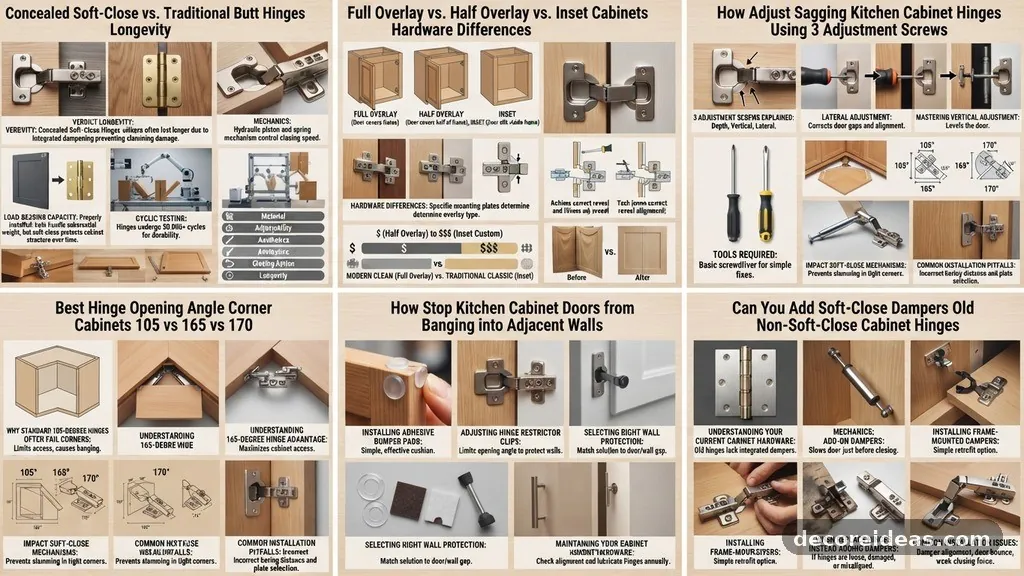
Even with the right parts, you might encounter issues during installation. If the door doesn’t close all the way, the damper might be set to too much resistance.
Many dampers have a small dial that allows you to adjust the speed and force of the closure. If the door still hits the frame, check that the hinge itself isn’t damaged or bent, as a misaligned door will never close properly regardless of the damper’s settings.
Another common issue is the “bouncing” door, where the door hits the damper but doesn’t quite latch shut. This often happens if the damper is placed too close to the hinge side of the door rather than the handle side.
The further the damper is from the hinge, the more leverage it has to control the door’s momentum. Try moving the damper closer to the outer edge of the frame to see if it improves the closing action.
Impact on Cabinet Longevity
Adding soft-close technology isn’t just about reducing noise; it’s also about protecting your investment. Slamming doors can cause micro-cracks in the wood, loosen mounting screws over time, and damage the finish on the edges of the cabinet frames.
By slowing down the impact, you are preserving the structural integrity of the wood and the paint or stain finish. This is especially important for high-traffic areas like the kitchen, where doors are opened and closed dozens of times every day.
Furthermore, soft-close hinges and dampers are generally safer for families with small children. They prevent little fingers from getting pinched in a rapidly closing door.
While the primary goal might be convenience or noise reduction, the safety and maintenance benefits make the project a worthwhile endeavor for any homeowner. You will notice that the cabinet doors feel much more substantial and higher in quality once the upgrade is complete.
Frequently Asked Questions
Can I install soft-close hinges on any type of old cabinet?
Most modern soft-close hinges are designed for standard Euro-style cabinets. If you have older face-frame cabinets with exposed hinges, you will likely need to use surface-mounted dampers instead, as the frame structure might not support a hidden hinge replacement.
Do I need to replace all my hinges at once?
You don’t have to do it all at once, but it is recommended for consistency. If you have different types of hinges on the same set of cabinets, the doors will close at different speeds, which can look and feel disjointed. Take your time to do one section of the kitchen at a time to manage the cost and effort.
Is it difficult to align the doors after replacing the hinges?
Modern adjustable hinges actually make alignment easier than older, fixed-position hinges. Most have adjustment screws that allow you to move the door left, right, up, or down by a few millimeters without unscrewing the mounting plate. It might take a few tries to get the gaps perfect, but it is a very manageable process.
Will adding a damper affect how far the door opens?
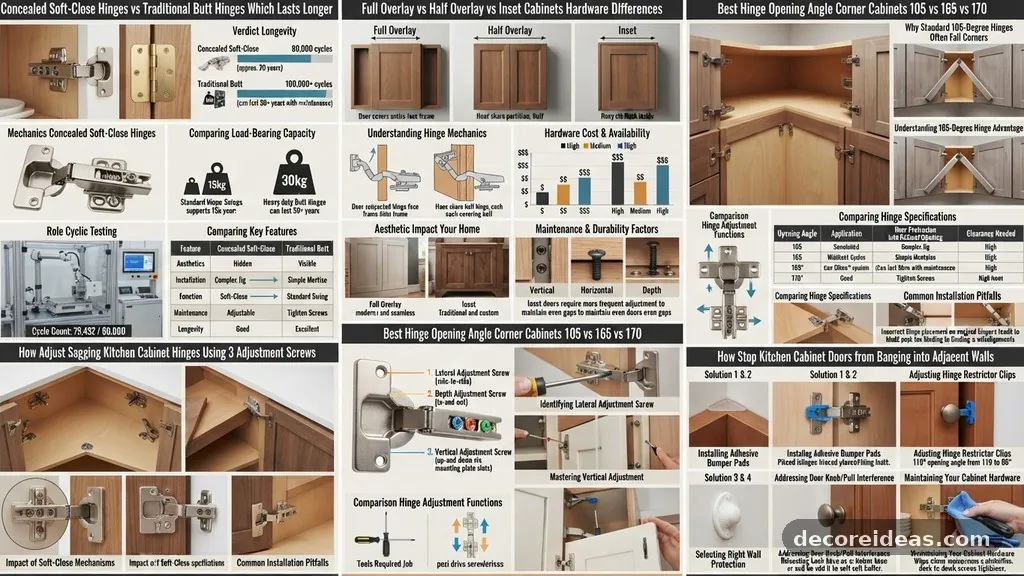
Generally, no. Most add-on dampers are designed to work within the existing range of motion of your hinge. However, if you are installing a new soft-close hinge, check the opening angle specifications, as some hinges are limited to 105 degrees while others can open to 170 degrees.
Are there any cabinets where soft-close is not recommended?
Soft-close is almost always a benefit, but you should be cautious with very small, lightweight doors, such as those on small spice cabinets. Sometimes the damper is too strong for the light weight of the door, causing it to stop prematurely. In those rare cases, a simple magnetic touch latch might be a better alternative than a damper.
Final Thoughts on Retrofitting
When you consider whether you can add soft-close dampers to old non-soft-close cabinet hinges, remember that you have options ranging from simple snap-on devices to complete hinge replacements. The best choice depends on your specific hardware and how much time you want to invest in the project. If you have standard concealed hinges, start by looking for a compatible clip-on damper, as this is the least invasive method.
If you are dealing with older or damaged hardware, replacing the hinges entirely provides the best long-term solution. By taking the time to match the parts correctly, you can successfully upgrade your kitchen cabinets to enjoy a quieter and more refined home environment. Take the next step by inspecting your hinges today and identifying the exact model to ensure your upgrade goes smoothly.