How to Stop Kitchen Cabinet Doors from Banging into Adjacent Walls
Dealing with the annoyance of stoping kitchen cabinet doors from banging into adjacent walls is a common home maintenance challenge that can lead to chipped paint and damaged woodwork over time. You can easily resolve this issue using simple hardware modifications or low-profile adhesive solutions that prevent the door from swinging too wide.
By taking a few minutes to adjust your hinges or install a small buffer, you protect your cabinetry and keep your kitchen looking pristine. This guide explores the most effective, budget-friendly methods to ensure your cabinet doors open safely without causing structural damage to your home.
Installing Adhesive Bumper Pads
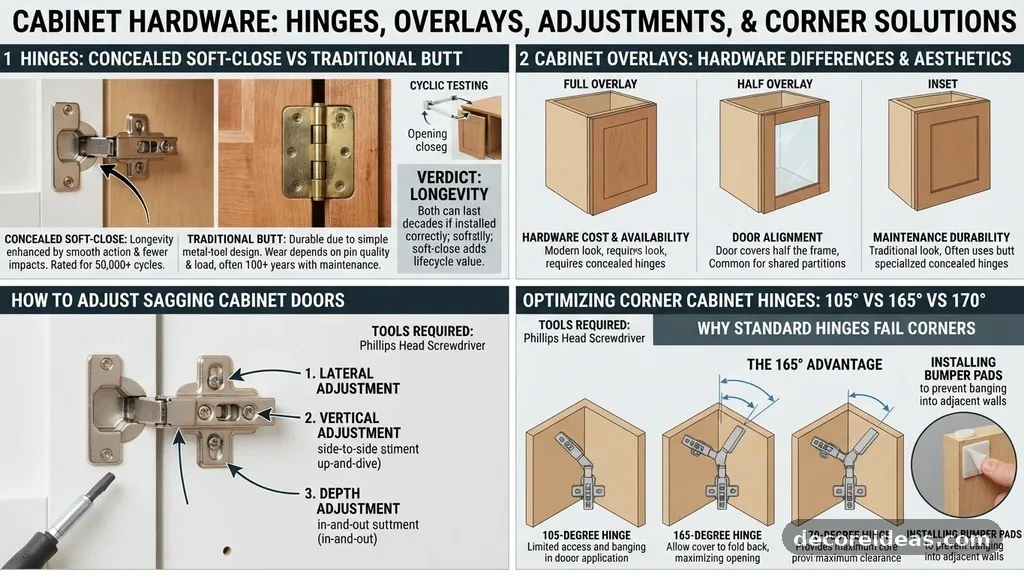
Adhesive bumpers are the most straightforward solution for stoping kitchen cabinet doors from banging into adjacent walls. These small, clear, or colored discs are made of soft silicone or felt and act as a shock absorber between the door edge and the wall surface. When a cabinet door is opened with force, the bumper hits the wall first, preventing the hard cabinet material from making contact.
You should apply these bumpers on the inside edge of the door, specifically at the point where the door usually makes contact with the wall. For the best protection, place one near the top corner and one near the bottom corner of the door. This dual-point contact ensures that the pressure is distributed evenly, preventing the door from twisting or warping over time.
Clean the surface of the door thoroughly before applying the adhesive. Use a mild degreaser or rubbing alcohol to remove any kitchen grease, as this residue will cause the adhesive to fail prematurely. Once the surface is dry, peel the backing off the bumper and press it firmly into place for at least 30 seconds.
Adjusting Hinge Restrictor Clips
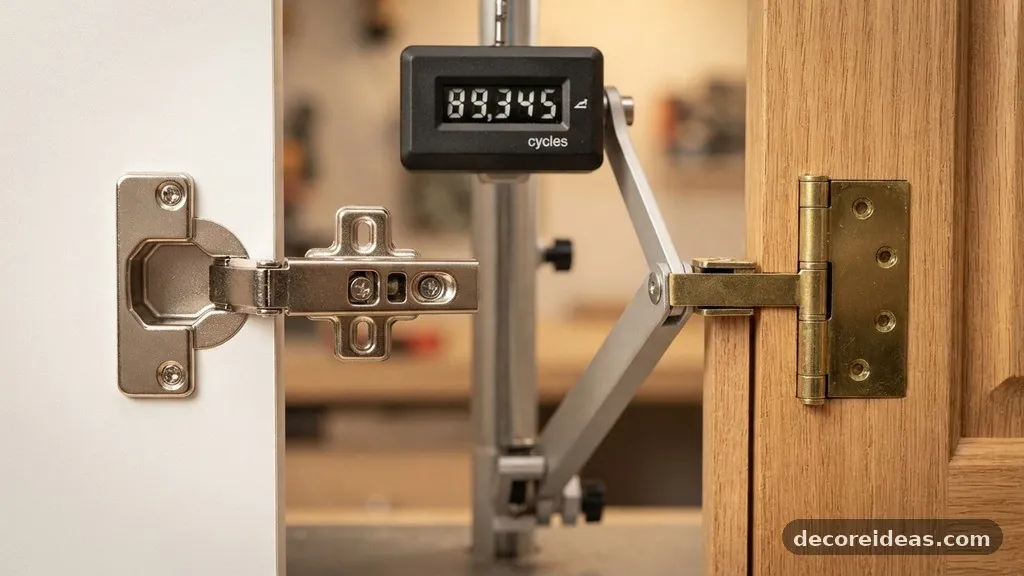
Hinge restrictor clips are small, specialized pieces of hardware that limit the maximum opening angle of your cabinet doors. Instead of relying on a bumper to stop the door, these clips physically prevent the hinge from swinging past a certain point. This is particularly useful for doors that have a tendency to fly open and strike a wall or a neighboring appliance.
Most modern European-style cabinet hinges have a designated slot designed to accept these restrictors. You can usually purchase these clips directly from the manufacturer of your hinges or via major online retailers like Amazon to ensure they fit your specific hardware. The installation process generally requires no tools other than a small screwdriver to pop the clip into the hinge mechanism.
When you install a restrictor, you typically limit the door opening to 85 or 90 degrees. This provides enough clearance for you to access the items inside your cabinet while ensuring the edge of the door never reaches the wall. It is a permanent, elegant solution that keeps your kitchen looking clean without any visible pads or external stoppers.
Using Hinge-Mounted Door Stops
If your hinges are older or don’t support restrictor clips, a hinge-mounted door stop is a functional alternative. These devices slide onto the hinge pin and feature an adjustable screw that creates a physical barrier to the door’s movement. By tightening the screw, you change the angle at which the door stops, giving you granular control over the door opening.
These stops are exceptionally effective because they take the impact force away from the wall and transfer it to the heavy-duty hinge hardware. They are designed to be durable and can handle years of daily use without failing. Because they are located at the hinge, they are virtually invisible to anyone standing in the kitchen.
To install one, you simply remove the existing hinge pin, slide the device over the pin, and reinsert it into the hinge. Once in place, you rotate the adjustable screw until you reach the desired stop point. Test the door by opening it fully; if it still hits the wall, tighten the screw further until the door stops just millimeters before contact.
Selecting the Right Wall Protection
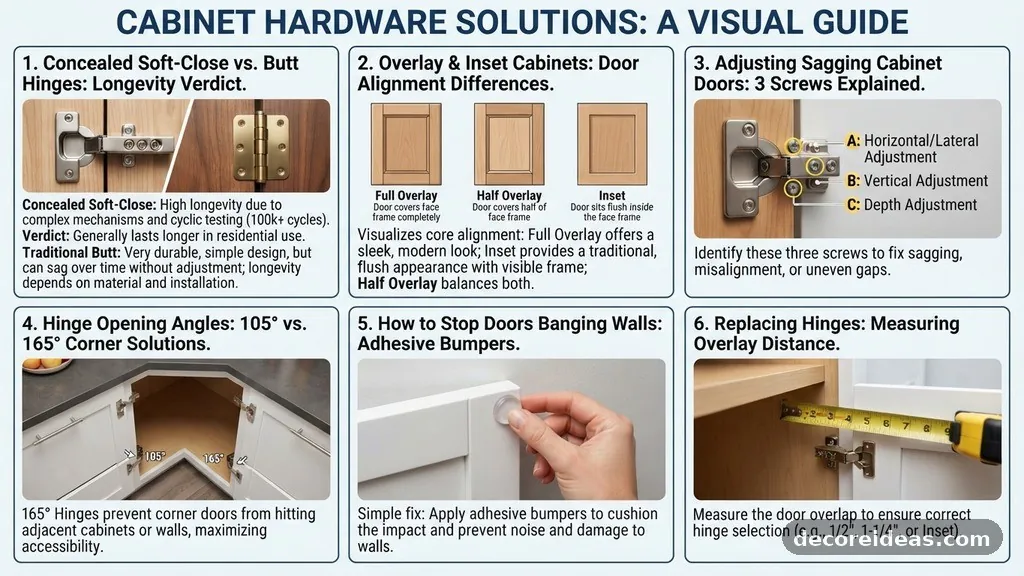
Sometimes, the best approach for stoping kitchen cabinet doors from banging into adjacent walls involves reinforcing the wall itself rather than the cabinet. If you have a high-traffic kitchen where doors are frequently left open, a wall-mounted stopper or a decorative shield might be necessary. These options are ideal when you cannot modify the hinges or when the cabinet door is exceptionally heavy.
Wall-mounted bumpers come in various styles, from simple adhesive felt pads to decorative metal discs that screw into the wall. If you choose a screw-in model, ensure you use a wall anchor to prevent it from pulling out of the drywall over time. These are particularly effective in tight corners where the door knob might otherwise punch a hole in the plaster.
Consider the aesthetic of your kitchen when selecting these items. A small, clear silicone bumper is often the most discreet choice, but a polished metal cap can look like a intentional design choice. The goal is to provide a soft landing zone that prevents the “clack” sound of wood hitting drywall.
Comparing Cabinet Protection Methods
Choosing the right method depends on your specific cabinet construction and your DIY comfort level. The following table provides a quick comparison of the most common solutions used to prevent damage from door impacts.
| Method | Ease of Install | Visibility | Cost |
|---|---|---|---|
| Adhesive Bumpers | Very Easy | Low | Very Low |
| Hinge Restrictors | Moderate | Hidden | Low |
| Hinge-Pin Stops | Moderate | Low | Moderate |
| Wall-Mounted Buffers | Easy | Visible | Low |
Addressing Door Knob and Pull Interference
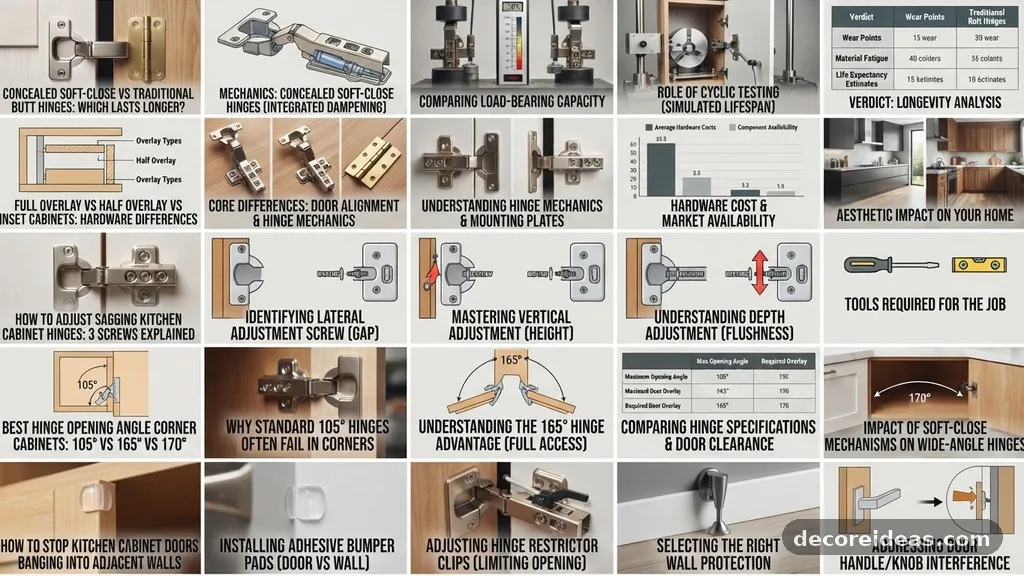
Often, the part of the door that hits the wall is the knob or handle, not the door edge itself. If you have decorative, protruding hardware, a standard flat bumper might not provide enough depth to protect the wall. In these cases, you must account for the “projection” of your knob when planning your solution.
If your knob is the main culprit, consider replacing it with a lower-profile pull or a recessed handle. If you prefer your current hardware, you will need a thicker wall-mounted bumper that is deep enough to catch the knob before it makes contact. These thicker bumpers are often made of rubber and are designed to absorb significant impact.
Another strategy is to combine a hinge restrictor with a small adhesive bumper. The restrictor prevents the door from swinging wide, while the bumper provides a soft cushion for the final few millimeters of travel. This “belt and suspenders” approach is the most reliable way to ensure your walls stay free of dings and scrapes.
Preventing Damage in Tight Kitchen Layouts
Tight kitchen layouts often require creative solutions for stoping kitchen cabinet doors from banging into adjacent walls. In galley-style kitchens or areas with corner cabinets, the risk of damage is significantly higher due to the proximity of surfaces. You should prioritize methods that offer the most precise control over the door opening angle.
In corner installations, you might need to install a spacer block behind the hinge mounting plate to increase the clearance. This creates a slightly larger gap between the cabinet frame and the door, which can be just enough to prevent the corner of the door from catching on the adjacent wall. Always ensure that your cabinet doors are properly aligned before attempting these modifications.
If you find that your doors are still hitting, check the level of your cabinets. Sometimes, a door that is slightly sagging will hit the wall because it is not swinging on a perfectly vertical plane. Tightening the mounting screws on the hinge plate can often lift the door back into its proper position, resolving the issue without any extra hardware.
Maintaining Your Cabinet Hardware
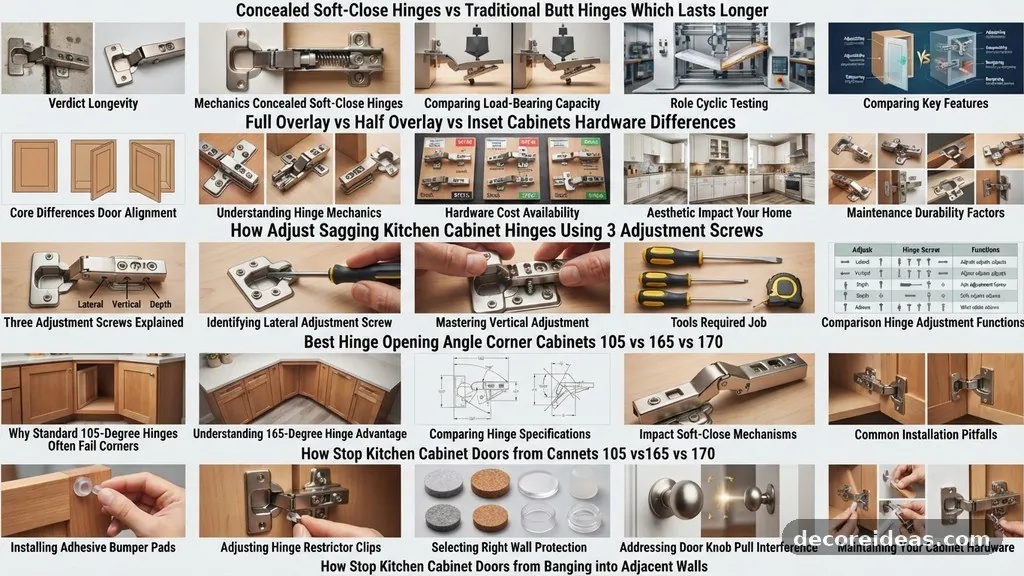
Hardware maintenance is a critical part of ensuring your solutions remain effective over the long term. Hinges can loosen over time due to the weight of the door and the frequency of use. If your cabinet door feels “floppy” or has too much play, it will be much harder to stop it from hitting the wall.
Check the screws on your hinges every six months to ensure they are tight. If a screw hole has become stripped, use a wood filler or a small wooden dowel to reinforce the hole before re-driving the screw. A stable, well-adjusted hinge is the foundation for any door-stopping solution you decide to implement.
Additionally, keep your hinge mechanisms clean and lightly lubricated. If the hinge is stiff, it can cause the door to jerk when you open it, which increases the impact force. A tiny drop of silicone-based lubricant can keep the motion smooth and predictable, which helps in preventing accidental damage.
Common Mistakes to Avoid
Many homeowners make the mistake of using overly large or thick bumpers that prevent the cabinet door from closing completely. If the bumper is too thick, the door will sit proud of the frame, leaving an unsightly gap. Always test the thickness of your bumper by taping it to the wall first to see if it allows the door to close flush.
Another common error is placing the bumper in the wrong location. Many people place it at the center of the door, but this does not provide enough leverage to stop the door’s momentum. Always place your bumpers as close to the outer edge of the door as possible, where the swing radius is greatest.
Finally, do not rely on “soft-close” hinges alone to stop the damage. While these hinges are excellent for preventing the door from slamming shut, they do nothing to prevent the door from hitting a wall when you open it. You must still install a physical restrictor or bumper to protect the wall surface during the opening motion.
Frequently Asked Questions
Can I use felt pads instead of silicone bumpers?
Felt pads are an excellent alternative if you have a high-end finish on your cabinet doors, as they are softer and less likely to leave residue. However, they are generally less durable than silicone and may need to be replaced more frequently in a busy kitchen.
How do I know if my hinges support restrictor clips?
Check the brand name stamped on your hinge, which is usually visible on the metal arm. You can search the manufacturer’s website for your specific hinge model number to see if they offer compatible restrictor clips or opening angle reducers.
Will a door stop ruin my cabinet finish?
If you use adhesive bumpers, they are generally safe for most finishes. However, if you are concerned about the adhesive, you can use a small piece of painter’s tape underneath the bumper or opt for a wall-mounted stop that doesn’t touch the cabinet at all.
What if my cabinet door still hits the wall after adding a bumper?
If the bumper is not thick enough, you might need to stack two bumpers or switch to a thicker rubber stop. Alternatively, installing a hinge restrictor is a more robust solution that physically prevents the door from reaching the wall, regardless of the bumper’s thickness.
Is it better to stop the door at the hinge or the wall?
Stopping the door at the hinge is generally preferred because it is invisible and protects the wall entirely. However, wall-mounted stops are easier to install for beginners and are a great option if your hinges do not support restrictors.
Summary and Next Steps
Successfully stoping kitchen cabinet doors from banging into adjacent walls comes down to choosing the right mechanical or adhesive fix for your specific setup. Whether you opt for the precision of hinge restrictors or the simplicity of adhesive bumpers, the key is to act before the repeated impact causes lasting damage to your cabinetry or drywall. Start by inspecting your hinges for existing adjustment options, then test a small adhesive buffer to see if it provides the clearance you need.
If the problem persists, a hinge-mounted stop or a wall-mounted bumper will offer the extra protection required for a busy, functional kitchen. Take a moment to assess your doors today and pick the solution that best fits your home’s needs.